Wind energy, a cornerstone of the shift toward sustainable power sources, continues to undergo significant advancements. While horizontal axis wind turbines (HAWTs) have long dominated the landscape, a quiet revolution is taking place with the development of vertical axis wind turbines (VAWTs), particularly in their blade designs. But what exactly sets these innovations apart and how are they reshaping the future of renewable energy?
The Rise of Vertical Axis Wind Turbines
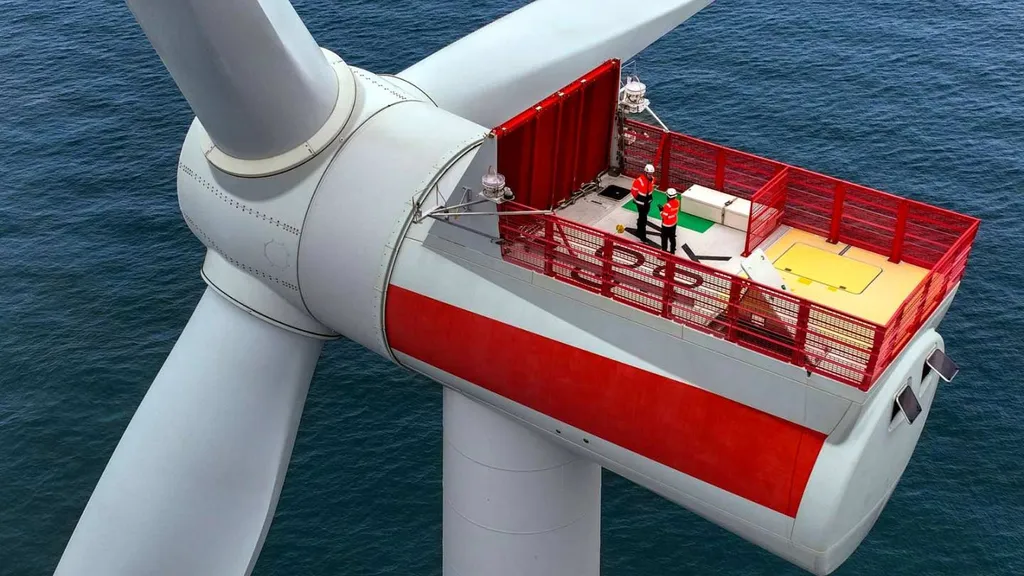
For decades, the familiar image of wind farms has been that of HAWTs, with their propeller-like blades facing directly into the small wind turbine system. These turbines are efficient and can generate substantial amounts of electricity. However, they come with limitations. Their size can be imposing, requiring vast open spaces and posing challenges for integration into urban environments. They also necessitate complex yaw mechanisms to constantly adjust to wind direction.
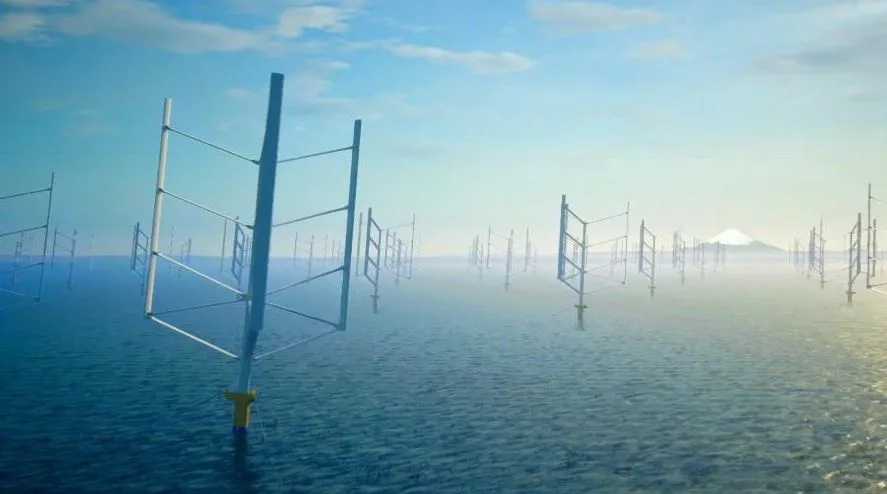
VAWTs offer a compelling alternative. Their defining characteristic is their rotor shaft, which is positioned vertically. This simple change in orientation has several advantages. VAWTs can accept wind from any direction, eliminating the need for yaw systems. They can be sited closer together than HAWTs, potentially increasing energy production per unit area. Furthermore, their simpler design can translate to lower manufacturing and maintenance costs. The generator and gearbox can be located at ground level, making maintenance much easier.
However, VAWTs have traditionally faced challenges in terms of efficiency compared to their horizontal counterparts. Early designs struggled to capture wind energy as effectively. This is where innovations in vertical wind turbine blades come into play.
Revolutionizing VAWT Performance with Blade Design
The heart of a VAWT’s performance lies in its blades. The shape, material, and configuration of these blades directly influence how efficiently the turbine captures wind energy and converts it into electricity. Several key innovations are driving improvements in VAWT blade technology.
Airfoil Optimization, Airfoils, the cross-sectional shapes of the blades, are crucial for generating lift and maximizing energy capture. Advanced computational fluid dynamics (CFD) simulations allow engineers to design airfoils specifically tailored for VAWT applications. These optimized airfoils reduce drag and increase lift, resulting in significantly improved efficiency. What if we could design blades that perfectly dance with the wind, extracting every last bit of energy?
Variable Pitch Blades, One of the most exciting advancements is the development of variable pitch blades. Unlike fixed-pitch blades, variable pitch blades can adjust their angle of attack in response to changing wind conditions. This allows the turbine to maintain optimal performance across a wider range of wind speeds. In strong winds, the blades can be feathered, reducing stress on the turbine and preventing damage. This adaptability improves not only efficiency but also the overall lifespan of the turbine.
Blade Materials, The materials used to construct VAWT blades are also evolving. Lightweight yet strong materials, such as carbon fiber composites and advanced polymers, are replacing traditional materials like aluminum and steel. These lighter blades reduce the overall weight of the turbine, allowing for faster start-up speeds and increased responsiveness to gusts of wind. Stronger materials also improve durability, reducing the need for maintenance and extending the operational life of the turbine. Can you imagine a turbine blade that is both incredibly light and incredibly strong, able to withstand the harshest weather conditions?
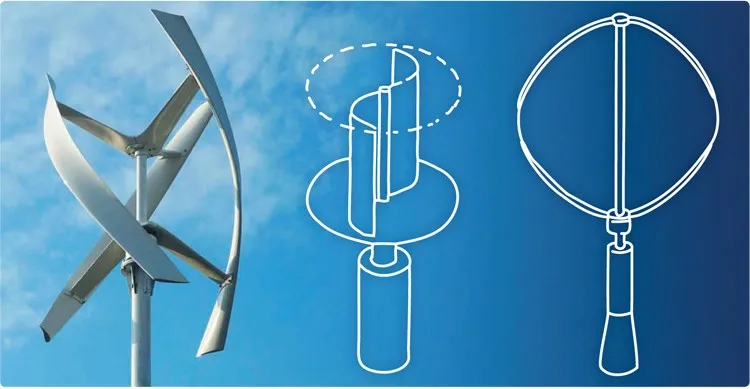
Innovative Blade Geometries, Beyond airfoils, entirely new blade geometries are being explored. Some designs incorporate curved or twisted blades to capture wind energy more effectively. Others feature segmented blades that can be adjusted independently to optimize performance. These innovative geometries push the boundaries of what’s possible with VAWT technology.
Magnus Effect Rotors, This innovative rotor design uses rotating cylinders instead of traditional airfoils. When wind flows past a rotating cylinder, a force perpendicular to both the wind direction and the axis of rotation is generated, known as the Magnus effect. This force can be harnessed to drive the turbine. Magnus effect rotors offer the potential for high torque and low start-up speeds, making them particularly suitable for low-wind environments.
Savonius and Darrieus Hybrids, Combining the advantages of different VAWT designs is another promising area of research. Savonius turbines, known for their high torque and ability to start in low winds, are often paired with Darrieus turbines, which are more efficient at higher wind speeds. By integrating these two designs, hybrid turbines can achieve both high starting torque and good overall efficiency.
The Future Powered by Vertical Wind Turbine Blades
The innovations in vertical wind turbine blades are poised to play a significant role in the future of renewable energy. VAWTs offer distinct advantages over HAWTs in certain applications, particularly in urban environments, where space is limited and aesthetics are important. Imagine small, elegant VAWTs integrated into buildings, silently generating clean energy for their occupants.
Furthermore, the advancements in blade technology are improving the efficiency and reliability of VAWTs, making them more competitive with traditional wind turbines. As research and development continue, we can expect to see even more breakthroughs in blade design, further enhancing the performance and cost-effectiveness of VAWTs.
Ultimately, the goal is to create a diverse and resilient energy system that relies on a variety of renewable sources. Vertical wind turbine blades, with their innovative designs and growing potential, are an important piece of that puzzle. They offer a pathway to a cleaner, more sustainable future, powered by the wind.