The pursuit of clean, renewable energy sources has never been more critical. As we strive to reduce our reliance on fossil fuels, innovative technologies are emerging to harness the power of nature. Among these, the wind turbine stands out as a promising solution, and a fascinating variant is the vertical-axis wind turbine. But what exactly makes this design so special?
Understanding Vertical-Axis Wind Turbine Technology
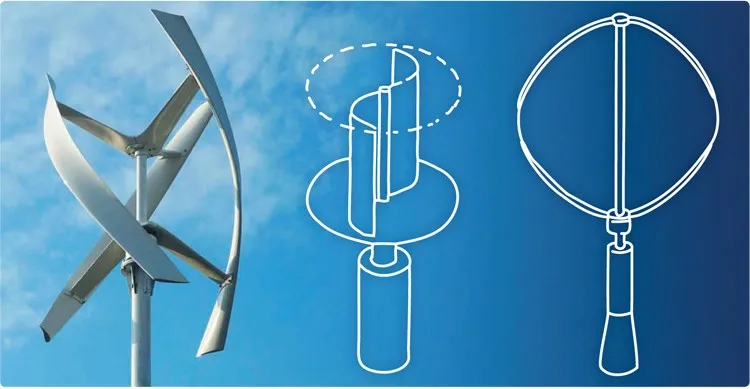
Unlike the more familiar horizontal-axis wind turbines, which resemble giant airplane propellers, vertical-axis wind turbines feature blades that rotate around a vertical axis. This fundamental difference in design has profound implications for their performance, applications, and potential.
There are two primary types of vertical-axis wind turbines. The Darrieus turbine, named after its French inventor, boasts curved blades that resemble an eggbeater. These turbines are known for their high efficiency but often require an external power source to start spinning. On the other hand, Savonius turbines utilize a drag-based design, capturing wind force directly with curved or cupped blades. While less efficient than Darrieus turbines, Savonius turbines are self-starting and can operate in turbulent wind conditions.
So, why choose a vertical-axis wind turbine over its horizontal counterpart? Several advantages make this design particularly attractive in certain situations.
One key benefit is their omnidirectional nature. They can accept wind from any direction without needing to be actively steered into the wind. This simplifies the design and reduces the cost of complex yaw mechanisms found in horizontal-axis machines. Think about it, how much simpler is it to build something that doesn’t need to constantly adjust its orientation?
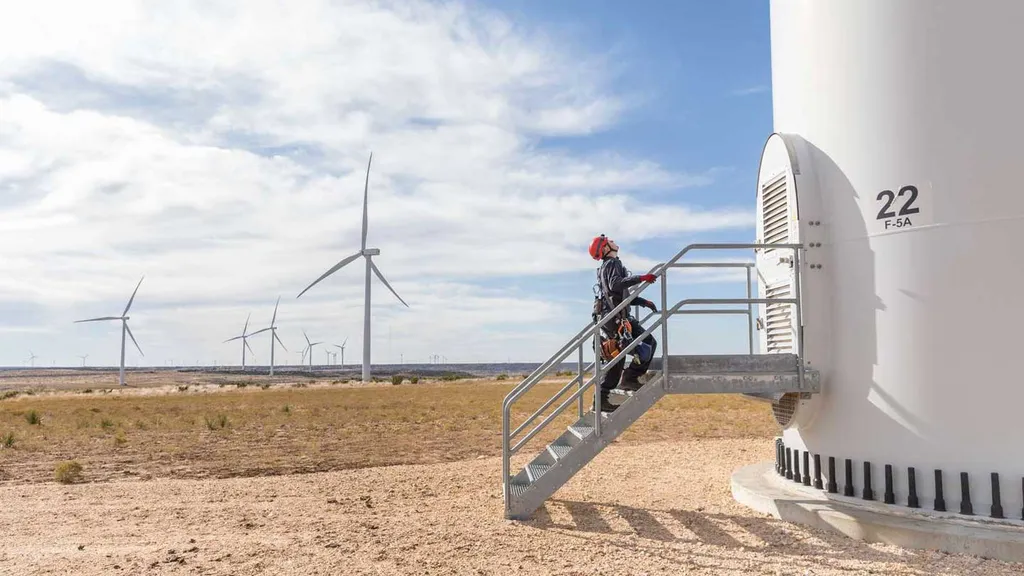
Furthermore, the generator and gearbox of a vertical-axis machine can be located at ground level, making maintenance easier and reducing the overall weight of the structure. Imagine the ease of servicing equipment at ground level versus climbing hundreds of feet into the air.
Another advantage is their potential for integration into urban environments. Their smaller size and less imposing appearance make them more aesthetically pleasing and less likely to disrupt the surrounding landscape. Could these be the wind turbines of the future dotting our city skylines?
Despite these advantages, vertical-axis wind turbines also face certain challenges. Their efficiency is generally lower than that of horizontal-axis turbines, especially at higher wind speeds. Moreover, they can be more susceptible to fatigue and structural stress due to the fluctuating wind forces acting on the blades.
Applications and Future Prospects
Where do vertical-axis wind turbines truly shine? Their unique characteristics make them well-suited for a variety of applications.
Small-scale wind energy generation is one area where they excel. These turbines can be installed on rooftops, in urban areas, or in remote locations to provide localized power. Imagine powering a home or a small business with a silent, unobtrusive wind turbine.
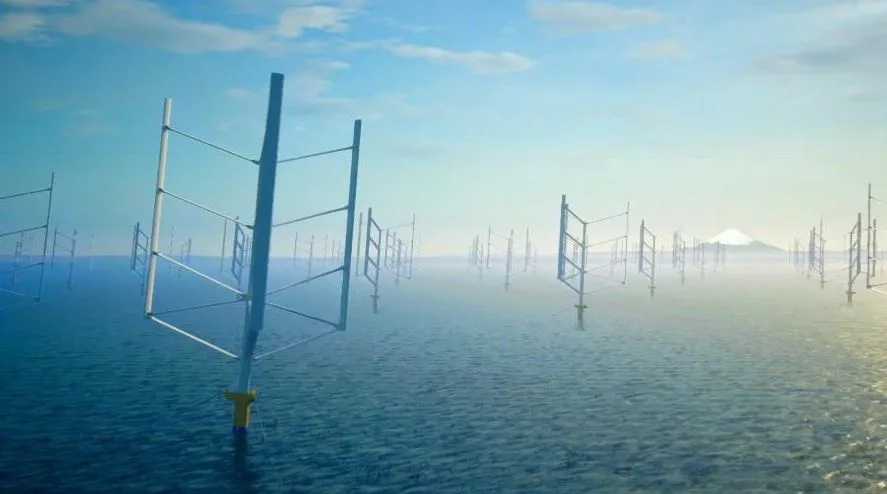
Another promising application is in offshore wind farms. Recent research suggests that vertical-axis wind turbines can be placed closer together than horizontal-axis turbines, potentially increasing the power output of offshore wind farms. Could this be the key to unlocking the full potential of offshore wind energy?
Looking ahead, ongoing research and development efforts are focused on improving the efficiency and durability of vertical-axis wind turbines. Advanced materials, innovative blade designs, and optimized control systems are all being explored to enhance their performance and reduce their cost.
The future of wind energy is undeniably bright, and the vertical-axis wind turbine has a crucial role to play in this transition. As technology advances and costs decrease, these machines have the potential to transform the way we generate and consume electricity, paving the way for a more sustainable future. Vertical-axis wind turbines represent an important piece of the renewable energy puzzle.