The allure of clean energy has never been stronger. As individuals and communities seek to reduce their carbon footprint and gain greater energy independence, renewable energy sources are getting a closer look. Among these, wind power, harnessed through small scale wind turbines, presents a compelling option, especially for those who can’t access utility-scale wind farms. But what exactly are these compact powerhouses, and could they be the right fit for your energy needs? Let’s find out.
Understanding Wind Turbine Technology
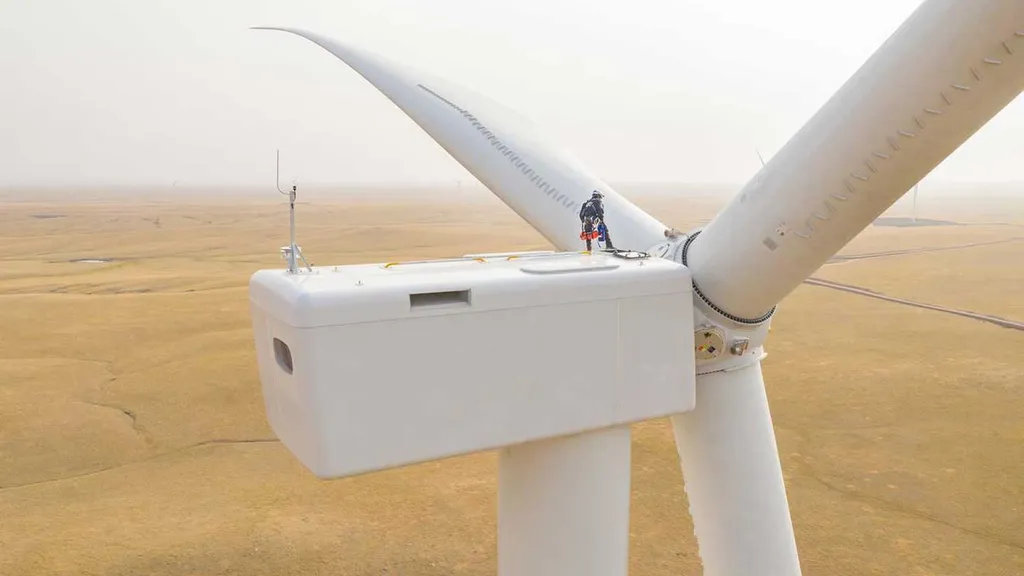
Wind turbines, at their core, are remarkably simple devices. They function on the principle of converting kinetic energy from the wind into electrical energy. The wind spins the blades, which are connected to a rotor. The rotor then turns a generator, producing electricity. The generated electricity can then be used directly, stored in batteries, or fed back into the electrical grid.
However, it’s in the details that the differences between massive wind farms and smaller, residential-sized systems emerge. Utility-scale turbines are behemoths, capable of producing megawatts of power. Small scale wind turbines, on the other hand, are designed for localized energy production, often generating kilowatts rather than megawatts. This smaller size makes them suitable for homes, farms, businesses, and even remote locations.
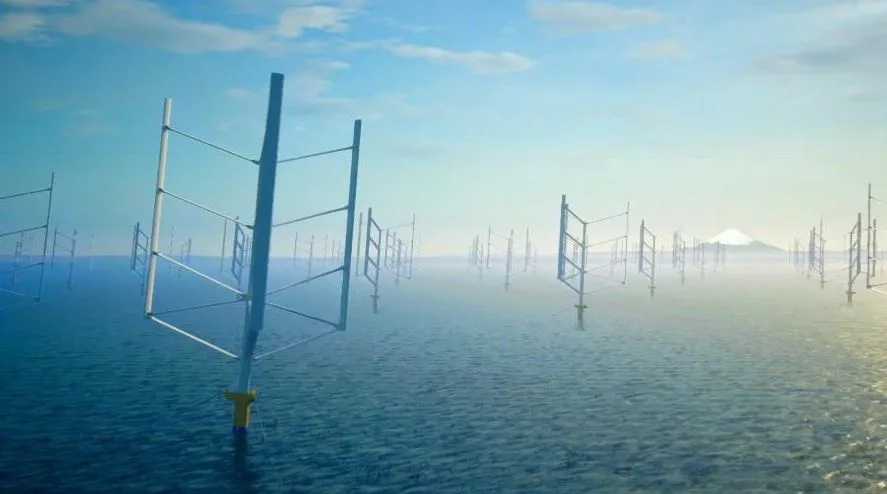
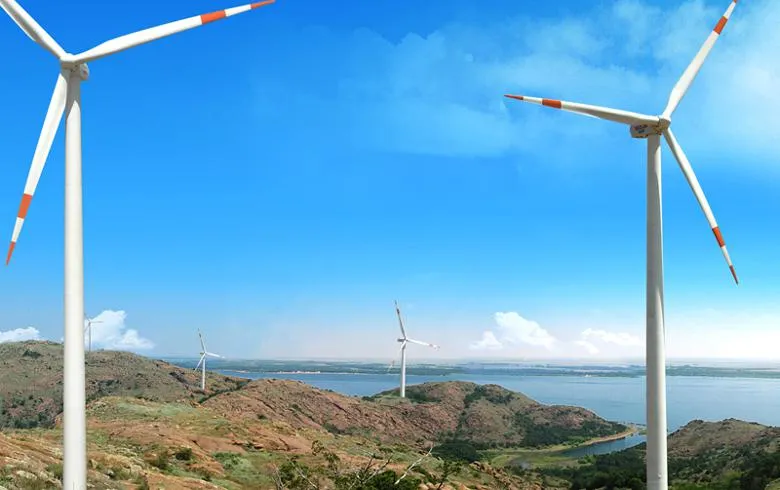
There are two primary designs for these systems – horizontal-axis and vertical-axis. Horizontal-axis turbines are what most people picture when they think of wind turbines, with their characteristic propeller-like blades spinning on a tall tower. Vertical-axis turbines, in contrast, have blades that rotate around a vertical axis, resembling an eggbeater or a Savonius rotor. Each design has its own advantages and disadvantages. Horizontal-axis turbines are generally more efficient, but require higher wind speeds and more complex mechanisms to keep them facing the wind. Vertical-axis turbines, while less efficient, can operate in lower wind speeds and from any wind direction, making them potentially more adaptable to urban environments.
Is a Small Wind System Right for You?
Before jumping into the world of wind power, a careful assessment of your site and energy needs is essential. Not every location is suitable for a wind turbine. Wind speed is the most crucial factor. A site with consistently high wind speeds will generate significantly more electricity than one with light or variable winds. Reputable wind turbine manufacturers and installers can conduct a wind resource assessment to determine if your location has sufficient wind to make a turbine worthwhile. This assessment often involves installing an anemometer, a device that measures wind speed, at the proposed turbine location for a period of time.
Beyond wind speed, other factors to consider include –
- Local regulations – Zoning laws and permitting requirements can vary significantly from one jurisdiction to another. Researching these regulations is a crucial first step.
- Obstructions – Trees, buildings, and other obstacles can block or disrupt wind flow, reducing turbine efficiency.
- Noise – Wind turbines can generate noise, which may be a concern for neighbors.
- Visual impact – Some people find wind turbines aesthetically unappealing.
- Cost – The initial investment in a small wind system can be significant, including the turbine itself, installation costs, and any necessary upgrades to your electrical system.
If these aspects check out, and you’re intrigued by the prospect of generating your own power, the rewards can be substantial.
Benefits of Embracing Wind Energy at Home
Why should you consider a small scale wind turbine? The benefits are numerous.
- Reduced Energy Costs – By generating your own electricity, you can significantly reduce your reliance on the grid, lowering your monthly utility bills. In some cases, you may even be able to sell excess electricity back to the utility company through a net metering program.
- Environmental Responsibility – Wind power is a clean, renewable energy source that produces no greenhouse gas emissions. By using wind energy, you can reduce your carbon footprint and contribute to a more sustainable future.
- Energy Independence – A wind turbine can provide you with greater energy independence, protecting you from fluctuating energy prices and grid outages. This can be especially valuable in remote locations or areas prone to power disruptions.
- Increased Property Value – In some cases, installing a renewable energy system can increase the value of your property.
- Long-Term Savings – While the initial investment may be substantial, a wind turbine can provide long-term savings on energy costs, making it a worthwhile investment over time.
Navigating the Path to Sustainable Power
Taking the plunge into small scale wind turbines requires careful planning and research. It’s not as simple as buying a turbine and sticking it in the ground. It is advised to work with a reputable installer who can assess your site, recommend the appropriate turbine size and type, and handle the installation process. They can also help you navigate the permitting process and connect your turbine to the grid, if desired.
Moreover, regular maintenance is essential to ensure optimal performance and longevity. This may involve inspecting the blades, lubricating moving parts, and checking the electrical connections. A well-maintained turbine can provide reliable power for many years.
Is a small wind system the right choice for everyone? No, but for those with the right location, resources, and commitment, it can be a powerful tool for achieving energy independence and reducing their environmental impact. As technology advances and costs continue to decline, wind power is poised to play an increasingly important role in our transition to a cleaner, more sustainable energy future.