The quest for sustainable energy solutions has led us down many paths. Among the most promising is wind power, and within that realm, a particularly innovative design is attracting attention; vertical access wind turbines. But what makes these wind energy converters different, and why are they poised to reshape the energy landscape? Let’s find out.
Understanding Vertical Access Wind Turbines
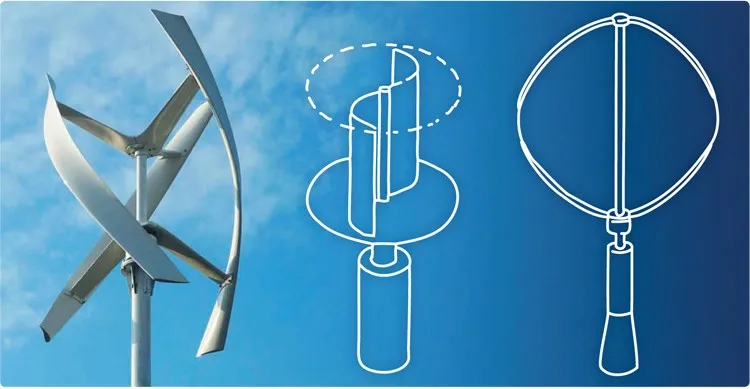
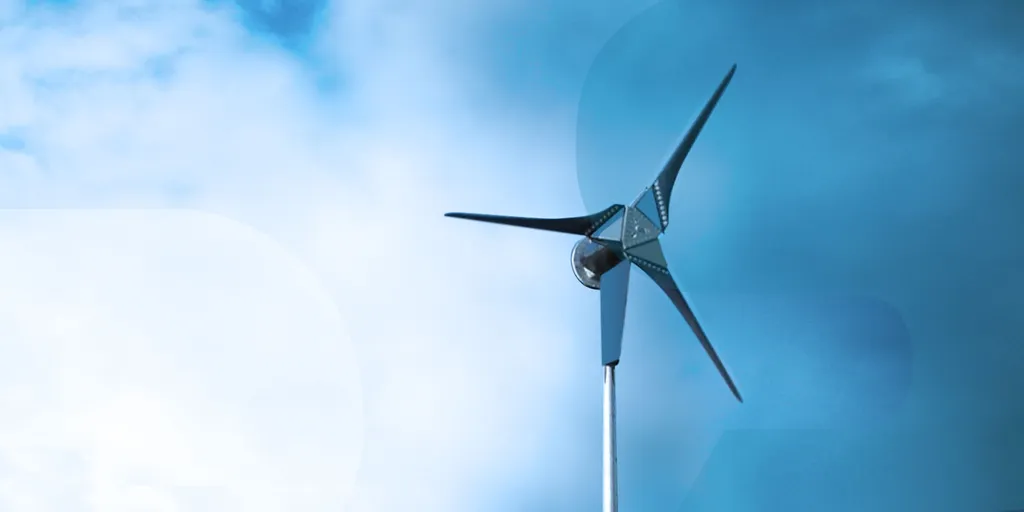
Unlike traditional horizontal axis wind turbines, which resemble airplane propellers and must constantly face into the wind, vertical access wind turbines feature blades that rotate around a vertical axis. Think of a merry-go-round instead of a propeller. This fundamental difference in design has profound implications for their functionality, performance, and suitability for diverse environments.
There are two primary types of vertical axis wind turbines; Darrieus and Savonius.
-
Darrieus Turbines; Named after their French inventor, Georges Darrieus, these turbines have curved blades that resemble egg beaters. They are known for their high efficiency and ability to generate substantial power. However, they typically require an external power source to start spinning.
-
Savonius Turbines; Invented by Finnish engineer Sigurd Savonius, these turbines use a simpler design with scooped blades that catch the wind. While less efficient than Darrieus turbines, they are self-starting and can operate in turbulent wind conditions.
So, why consider these unconventional designs over the tried-and-true horizontal axis models?
Advantages of Vertical Access Wind Turbines
The appeal of vertical access wind turbines stems from several key advantages;
-
Omnidirectional Wind Capture; Because they don’t need to face the wind, vertical access wind turbines can harness energy from wind blowing in any direction. This eliminates the need for complex yaw mechanisms, which are used in horizontal axis turbines to constantly adjust their position.
-
Lower Wind Speed Operation; Vertical access wind turbines can start generating power at lower wind speeds than their horizontal counterparts. This makes them viable in regions with less consistent or powerful winds.
-
Reduced Noise and Visual Impact; Their compact size and slower rotational speeds often result in less noise pollution, a common concern with traditional wind farms. Moreover, their unique aesthetic can be considered more visually appealing by some, making them easier to integrate into urban or suburban environments.
-
Scalability and Integration; Vertical access wind turbines can be scaled down for residential use or grouped together in larger arrays for commercial power generation. Their compact footprint allows for easier integration into existing infrastructure, such as rooftops or building facades.
-
Easier Maintenance; With the generator and gearbox located at ground level, maintenance and repairs are generally simpler and less costly than with horizontal axis turbines, where technicians must work at considerable heights.
Considering these benefits, it’s easy to see why vertical axis designs are gaining traction as a valuable alternative to traditional wind power technology.
Applications of Vertical Access Wind Turbines
The versatility of vertical access wind turbines makes them suitable for a wide range of applications;
-
Urban Wind Energy; Their ability to operate in turbulent wind conditions and their reduced noise and visual impact make them ideal for deployment in urban environments, where space is limited and community acceptance is crucial. Imagine buildings adorned with sleek, silent turbines providing clean energy to their occupants.
-
Distributed Generation; Vertical access wind turbines can be used to generate power at the point of consumption, reducing transmission losses and improving grid resilience. Small-scale installations can power individual homes, businesses, or even remote communities.
-
Off-Grid Power; Their self-starting capabilities and ability to operate in low wind speeds make them well-suited for off-grid applications, such as powering remote monitoring stations, telecommunications towers, or agricultural operations.
-
Hybrid Systems; Vertical access wind turbines can be integrated with other renewable energy sources, such as solar panels, to create hybrid systems that provide a more reliable and consistent power supply.
Challenges and Future Directions
While vertical access wind turbines offer numerous advantages, they also face certain challenges;
-
Efficiency; Darrieus wind turbines, while efficient, can be complex and expensive to manufacture. Savonius wind turbines, though simpler, generally have lower efficiency compared to horizontal axis turbines. Research and development efforts are focused on improving the efficiency of these designs.
-
Structural Integrity; The blades of vertical access wind turbines can be subjected to significant stress, especially in turbulent wind conditions. Ensuring their structural integrity and durability is crucial for long-term performance.
-
Public Perception; While some find them visually appealing, others may still have concerns about their appearance or potential impact on wildlife. Addressing these concerns through education and community engagement is essential for widespread adoption.
Despite these challenges, the future of vertical access wind turbines looks promising. Ongoing research and development efforts are focused on improving their efficiency, reducing their cost, and enhancing their reliability. As the world continues to seek cleaner and more sustainable energy solutions, vertical access wind turbines are poised to play an increasingly important role in shaping the energy landscape. Are they a complete replacement for horizontal turbines? Perhaps not, but their unique strengths and adaptability make them a vital piece of the puzzle.